Book Your Roofing Service Today
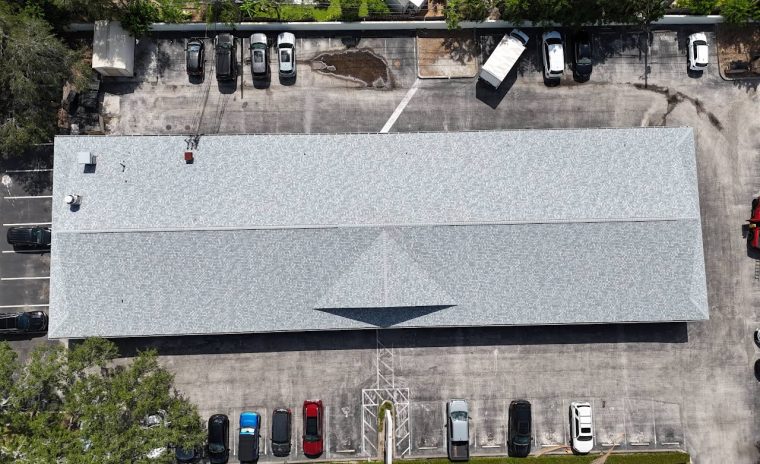
Designing and building roofs for multi-unit properties requires a higher level of planning, durability, and efficiency compared to single-family homes. Multi family roof construction plays a critical role in protecting occupants, improving energy efficiency, and ensuring long-term structural performance.
Whether you’re developing an apartment complex, duplex, or condominium, understanding the essentials of roofing for multi-family housing can help you make informed decisions and avoid costly issues down the line.
Understanding Multi Family Roof Construction
At its core, multi family roof construction involves designing and installing roofing systems that can support multiple residential units under one structure. Unlike single-family roofs, these systems must handle increased wear and tear, higher occupancy demands, and stricter building codes.
Roofing systems for multi-family properties often include:
- Flat or low-slope roofs for modern apartment buildings
- Pitched roofing systems for townhomes or duplexes
- Advanced drainage systems to prevent water pooling
- Durable materials designed for long-term performance
Because these buildings house multiple residents, the roof must provide consistent protection across all units while minimizing maintenance disruptions.
Key Design Considerations
Successful multi family roof construction begins with thoughtful design. Several factors must be considered to ensure durability and efficiency.
1. Material Selection
Choosing the right roofing material is one of the most important decisions. Common options include:
- TPO (thermoplastic polyolefin) for flat roofs
- EPDM rubber roofing for durability
- Metal roofing for longevity and energy efficiency
- Asphalt shingles for pitched roof sections
Each material offers unique benefits, and the choice depends on the building’s design, climate, and budget.
2. Drainage and Waterproofing
Proper drainage is essential in roofing for multi-family housing. Poor drainage can lead to water pooling, leaks, and structural damage. Installing high-quality gutters, downspouts, and internal drainage systems helps prevent these issues.
Waterproof membranes and sealants also play a key role in protecting the structure from moisture infiltration.
3. Energy Efficiency
Modern roofing systems are designed to improve energy efficiency. Reflective roofing materials, proper insulation, and ventilation systems can significantly reduce heating and cooling costs for residents.
Energy-efficient roofs not only lower utility bills but also contribute to environmental sustainability.
4. Structural Load Capacity
Multi-family roofs must support additional weight, including HVAC systems, solar panels, and heavy foot traffic for maintenance. Engineers must ensure the structure can handle these loads without compromising safety.
5. Compliance with Building Codes
Local building codes for multi-family properties are often stricter than those for single-family homes. Compliance ensures safety, durability, and legal approval for the construction project.
Roofing for Multi-Family Housing: Why It Matters
Investing in high-quality roofing for multi-family housing is essential for several reasons:
- Protects multiple households under one structure
- Reduces long-term maintenance costs
- Enhances property value
- Improves tenant satisfaction
- Increases energy efficiency
A well-constructed roof serves as the first line of defense against weather, making it a critical component of any multi-family building.
Multi Family Roof Maintenance
Once the roof is installed, ongoing care is essential. Multi family roof maintenance helps extend the lifespan of the system and prevents minor issues from becoming major problems.
1. Routine Inspections
Regular inspections should be conducted at least twice a year, as well as after major storms. These inspections help identify early signs of damage such as cracks, leaks, or loose materials.
2. Cleaning and Debris Removal
Leaves, dirt, and debris can accumulate on the roof and clog drainage systems. Keeping the roof clean ensures proper water flow and reduces the risk of damage.
3. Addressing Minor Issues Early
Small problems like minor leaks or damaged flashing should be repaired immediately. Delaying repairs can lead to more extensive and costly damage.
4. Professional Maintenance Services
Hiring professionals for routine maintenance ensures thorough inspections and proper care. Experts can spot issues that may not be visible to the untrained eye.
Multi Family Roof Repair
Even with proper maintenance, repairs are sometimes unavoidable. Multi family roof repair requires a strategic approach to minimize disruption to residents.
Common Repair Issues
- Leaks and water infiltration
- Damaged or missing roofing materials
- Cracked membranes or flashing
- Ponding water on flat roofs
Repair Methods
Depending on the issue, repairs may include patching damaged areas, resealing joints, or replacing sections of the roof. For flat roofs, specialized coatings can be applied to restore waterproofing.
Importance of Timely Repairs
Prompt multi family roof repair prevents further damage and protects the building’s structure. Ignoring issues can lead to mold growth, interior damage, and higher repair costs.
Multi Family Roof Replacement
Over time, every roof reaches the end of its lifespan. Knowing when to consider multi family roof replacement is crucial for maintaining safety and performance.
Signs Replacement Is Needed
- Frequent and recurring leaks
- Extensive wear and tear
- Rising maintenance costs
- Visible structural damage
- Roof age exceeding its expected lifespan
Benefits of Replacement
Replacing an aging roof offers several advantages:
- Improved energy efficiency
- Enhanced durability and performance
- Reduced maintenance needs
- Increased property value
Planning for Replacement
Roof replacement in multi-family buildings requires careful planning to minimize disruption. Scheduling, budgeting, and communication with residents are key factors in a successful project.
The Role of Professional Roofing Contractors
Given the complexity of multi family roof construction, working with experienced professionals is essential. Roofing contractors bring expertise, specialized tools, and industry knowledge to ensure high-quality results.
Professional services offer:
- Accurate assessments and recommendations
- Proper installation techniques
- Compliance with safety standards
- Long-term warranties and support
Attempting to handle large-scale roofing projects without professional assistance can lead to costly mistakes and safety risks.
Long-Term Performance and Cost Savings
Investing in quality multi family roof construction pays off in the long run. Durable materials, proper installation, and regular maintenance contribute to:
- Extended roof lifespan
- Lower repair and replacement costs
- Improved energy efficiency
- Greater tenant satisfaction
By prioritizing quality and planning, property owners can maximize their return on investment and ensure reliable performance for years to come.
Final Thoughts
Multi family roof construction is a critical aspect of building durable and efficient residential properties. From selecting the right materials to ensuring proper drainage and maintenance, every step plays a role in the roof’s performance.
Understanding the importance of multi family roof maintenance, timely multi family roof repair, and knowing when to plan for multi family roof replacement can help property owners protect their investment and provide safe, comfortable living spaces.
For the best results, always consider working with experienced roofing professionals who specialize in roofing for multi-family housing. With the right approach, you can achieve a roofing system that stands the test of time while delivering efficiency, durability, and peace of mind.